
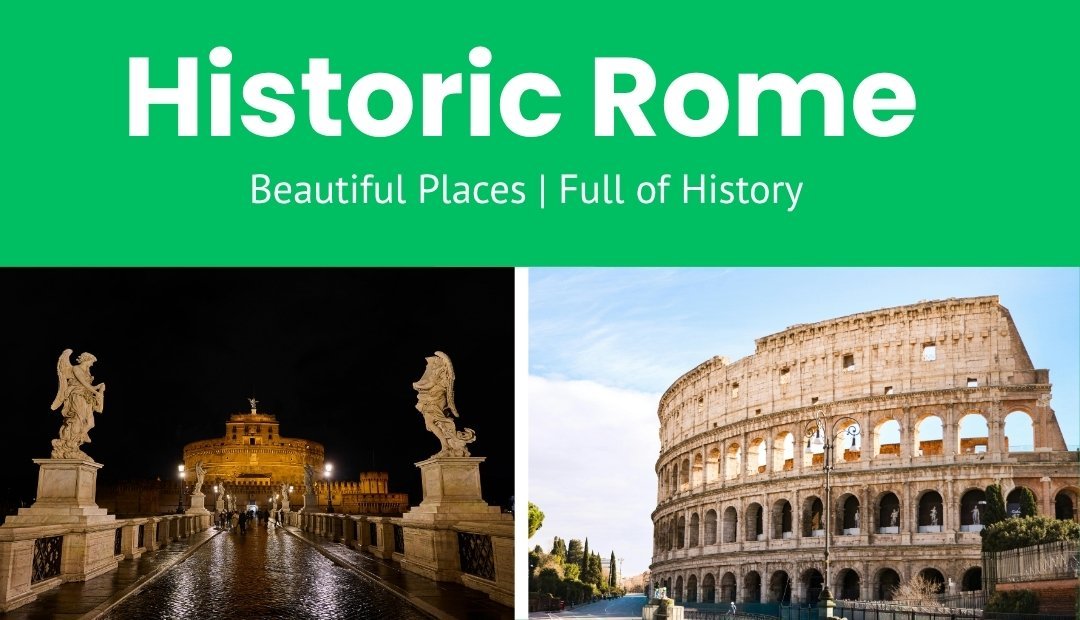
Rome, known as the Eternal City, is a vibrant open-air museum where timeless history, artistic heritage, and culture harmoniously merge with contemporary life. From awe-inspiring ruins to grand architectural masterpieces, the historical places in Rome tell the story of an empire that shaped the world. Walking its cobblestone streets feels like stepping into a time machine, with every corner revealing layers of the past. Whether you are a history enthusiast, an art lover, or simply an explorer, visiting the historical places in Rome is an unforgettable experience.
The Colosseum – Icon of Roman Engineering
Among Rome’s most iconic historical landmarks, the Colosseum stands as a powerful symbol of the city’s ancient grandeur. Built almost 2,000 years ago, this huge amphitheater once held more than 50,000 spectators. It hosted gladiator battles, wild animal hunts, and public spectacles that drew crowds from across the empire. The Colosseum was an engineering marvel of its time, featuring underground tunnels, elevators, and trapdoors to stage elaborate events. Strolling among its remains today offers visitors a window into the entertainment traditions of ancient Rome and the remarkable architectural brilliance of its creators.
The Roman Forum – Heart of Ancient Life
Just steps from the Colosseum lies the Roman Forum, another must-see among the historical places in Rome. This district formerly stood as the vibrant center of the empire’s political, commercial, and religious affairs. Senators debated laws, merchants sold goods, and citizens gathered for celebrations and public speeches. The remains of temples, churches, and triumphal arches reveal the legacy of influence and customs. Landmarks like the Arch of Titus and the Temple of Saturn still stand as reminders of Rome’s influence on modern governance and architecture.
The Pantheon – Timeless Perfection
Vatican City – The Spiritual Center
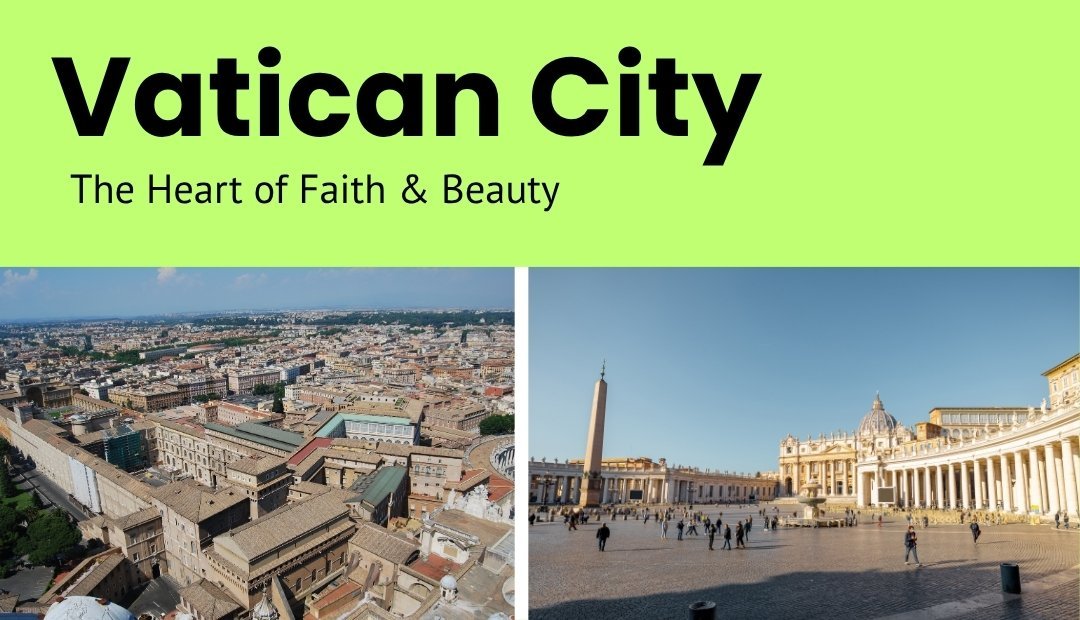
Though it is its own country, Vatican City is one of the most important places in Rome to visit. Vatican City is famous for St. Peter’s Basilica. This stunning church is an absolute marvel. Inside, you can see amazing art, decorations, and holy relics. The Vatican Museums hold many priceless treasures. These include ancient items and beautiful Renaissance artworks. One of the most famous places inside is the Sistine Chapel. Many visitors come here to see Michelangelo’s world-famous ceiling paintings. A trip to Vatican City is not only about history. It also gives a peaceful and inspiring experience with art, culture, and faith..
Castel Sant’Angelo – Fortress of Many Lives
Originally built as Emperor Hadrian’s mausoleum, Castel Sant’Angelo has served many purposes over the centuries, including as a fortress, papal residence, and prison. Its cylindrical structure, positioned along the Tiber River, made it a key defensive stronghold. Today, it is home to a museum that displays weapons, Renaissance artworks, and the history of the popes in a clear and engaging way. From its terrace, visitors can enjoy panoramic views of the city, making it one of the most rewarding stops on any historical tour.
Piazza Navona – Baroque Beauty with Ancient Roots
Piazza Navona, one of the most charming historical places in Rome, sits atop the site of an ancient Roman stadium. Its elongated shape hints at its past, while its current design reflects Baroque elegance.
The square is well known for its beautiful fountains, especially Bernini’s Fountain of the Four Rivers. Around it, you’ll find bright, colorful buildings, cozy cafés, and lively street performers that bring the area to life. Visiting in the evening, when lights reflect off the fountains, creates a truly magical atmosphere.
Trevi Fountain – Rome’s Wishing Well
The Trevi Fountain is not just a beautiful landmark but also part of Rome’s deep historical fabric. Completed in the 18th century, it marks the end of an ancient aqueduct that supplied water to the city.
Its sculptures depict Neptune, god of the sea, surrounded by allegorical figures. According to legend, throwing a coin into the fountain guarantees your return to Rome. This romantic ritual, along with the fountain’s dramatic design, makes it a must-visit location.
Tips for Exploring Historical Places in Rome
- Start early – Avoid the crowds by visiting popular attractions such as the Colosseum and Vatican Museums early
- Slip into comfortable shoes — anticipate spending hours strolling over irregular cobblestone paths
- Book tickets ahead – Save time with skip-the-line passes for major attractions.
- Join guided tours – Local experts can bring the ruins to life with stories and facts.
- Take your time – Don’t rush; allow yourself to soak in the details of each site.
Final Thoughts
The historical places in Rome are more than just tourist attractions—they are living witnesses to thousands of years of human history. From the grandeur of the Colosseum to the elegance of Baroque piazzas, each site has its own story to tell. Whether you visit for a few days or a few weeks, Rome’s timeless charm will leave you longing to return.
Read Also:

My name is Rabbi Mia, a digital marketer and blogger with 4 years of experience. I share phone reviews, travel guides, and career tips through simple and helpful content.